Illuminating Beautiful Black History: The Legacy of Black Inventor, Lewis Latimer and the Carbon Filament Light Bulb
#image_title
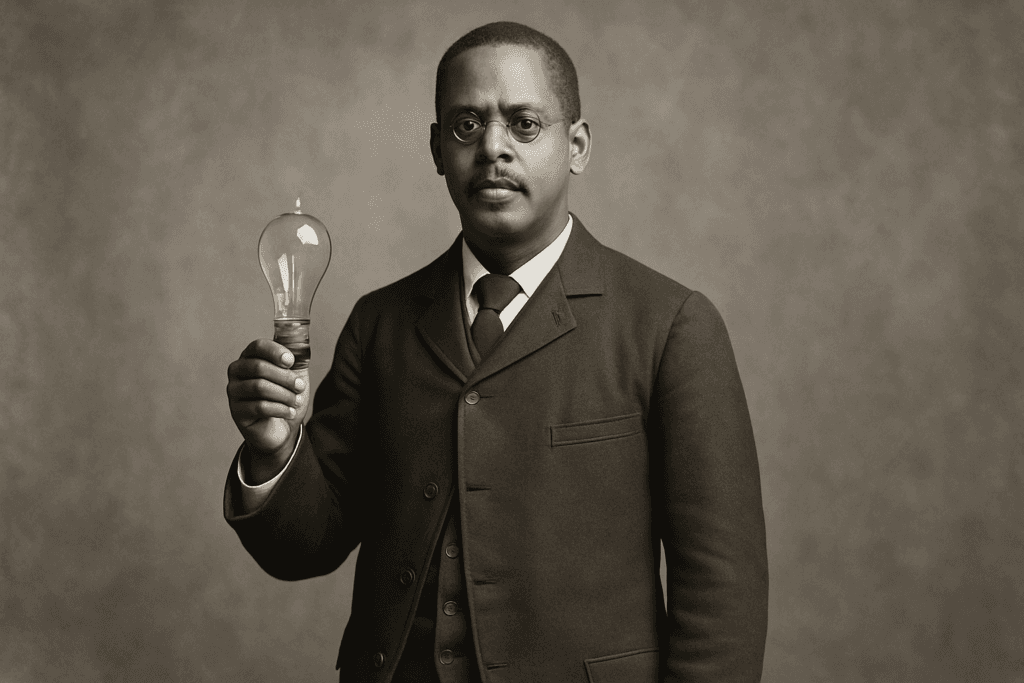
When you flip a switch and your room floods with light, do you think of Thomas Edison? You’re not alone—but the story of electric light is far brighter and more complex than most realize. For generations, the spotlight has shone almost exclusively on Edison and his famed light bulb, while the vital work of other brilliant minds remains in the shadows. Among these overlooked innovators is Lewis Latimer, a pioneering inventor whose ingenuity helped illuminate the world as we know it. Born to formerly enslaved parents, Latimer defied the odds to become a crucial figure in the development of electric lighting. His improvements to the carbon filament made incandescent bulbs practical and affordable, shaping the very foundation of modern life. Yet, despite his remarkable achievements, Latimer’s name is often absent from history books and classroom lessons. Today, we’ll journey beyond the familiar tales of invention to rediscover Lewis Latimer’s extraordinary legacy—a story that not only transforms our understanding of the electric light, but also sheds light on the unsung heroes who have powered our progress.
Lewis Latimer’s life story is a powerful testament to resilience, ingenuity, and the enduring impact of unsung heroes in American history. Born in 1848 to parents who had escaped slavery, Latimer entered the world during a time of deep racial prejudice and limited opportunities for African Americans. Despite these formidable obstacles, he demonstrated an early aptitude for learning and a drive to succeed, cultivating his skills against the backdrop of a rapidly changing America. The Civil War era and the years that followed saw the nation grappling with questions of freedom, citizenship, and technological progress—issues that would shape Latimer’s path in profound ways.
Latimer’s foray into the world of invention began with humble origins. He started his career as an office boy at a patent law firm, where his keen intellect and dedication quickly set him apart. Teaching himself mechanical drawing, he became a draftsman—a rare and valuable skill at a time when technical expertise was largely reserved for the privileged. This foundation paved the way for Latimer to work alongside some of the most renowned inventors of his era. He played a crucial role in helping Alexander Graham Bell obtain the patent for the telephone, meticulously preparing the blueprints that accompanied Bell’s application. Later, Latimer joined forces with Thomas Edison, contributing to the development and improvement of the incandescent light bulb. His innovations, particularly in carbon filament technology, made electric lighting more practical and affordable, illuminating homes and streets across America and beyond.
Lewis Latimer’s story is significant not just because of his technical achievements, but because of what he represents: the vital contributions of Black inventors to the progress of society. At a time when African Americans faced immense barriers to education and employment, Latimer’s perseverance and brilliance blazed a trail for others to follow. His life challenges us to recognize the talents that have too often been overlooked and inspires us to pursue innovation and equity in our own time. In remembering Lewis Latimer, we honor both his legacy and the ongoing quest to ensure that the light of progress shines for all.
The late 19th century was a period of remarkable innovation, often referred to as the Age of Invention. During this time, inventors and scientists across the world were locked in a fierce competition to harness electricity for practical purposes, with electric lighting standing out as one of the era’s most sought-after advancements. The race was propelled by a collective desire to move beyond the limitations of gas lamps and candles, which posed safety hazards, offered inconsistent illumination, and restricted productivity to daylight hours. Cities buzzed with anticipation as entrepreneurs, engineers, and tinkerers strove to bring brighter, more reliable light into homes, factories, and streets.
Early attempts at electric lighting, however, faced significant hurdles. The first light bulbs, pioneered by inventors like Sir Humphry Davy and Warren de la Rue, utilized carbon filaments within glass bulbs filled with a vacuum or inert gas. While these bulbs represented a leap forward in lighting technology, they were plagued by practical shortcomings. The carbon filaments burned out quickly, often lasting only a few hours before breaking down. Their fragility and inconsistent quality made mass production impractical and expensive. Additionally, the vacuum inside the bulbs was not perfect, allowing oxygen to seep in and degrade the filament even faster.
Despite these obstacles, inventors continued to refine their designs. Thomas Edison and Joseph Swan made notable advancements, but the fundamental challenge remained: finding a filament material that could withstand high temperatures, emit a steady glow, and last long enough to be practical for everyday use. The limitations of early carbon filaments—brittleness, rapid burnout, and inefficient light output—underscored the urgent need for further innovation. It was within this dynamic and competitive environment that Lewis Latimer would make his significant contribution, addressing the critical flaws of the carbon filament. His work would pave the way for light bulbs that were not only more durable but also affordable, setting the stage for widespread adoption of electric lighting and illuminating a brighter future for generations to come.
Lewis Howard Latimer’s remarkable journey from draftsman to inventor underscores his pivotal role in shaping technological advancements during the late 19th century. Born to formerly enslaved parents, Latimer faced significant societal barriers, yet his innate curiosity and determination propelled him forward. He began his professional career as an office assistant at the patent law firm Crosby and Gould in Boston. Recognizing his potential, Latimer taught himself mechanical drawing, mastering the art of intricate technical sketches. His exceptional skill as a draftsman quickly distinguished him from his peers and opened doors to groundbreaking opportunities.
Latimer’s proficiency with technical drawings attracted the attention of prominent inventors, most notably Alexander Graham Bell. In 1876, Bell enlisted Latimer’s expertise to draft the patent drawings for his revolutionary invention—the telephone. Latimer’s meticulous work was critical; patent applications required precise and detailed illustrations to be accepted by the Patent Office. Working with Bell on the telephone patent not only showcased Latimer’s technical abilities but also immersed him in the dynamic world of invention and innovation. This experience provided Latimer with firsthand insight into the creative process behind new technologies and the importance of intellectual property protection.
The collaboration with Bell proved transformative for Latimer, shaping both his career trajectory and his perspective as an inventor. Inspired by the inventive spirit surrounding him, Latimer began to cultivate his own ideas, ultimately developing several inventions and securing patents in his name. His most notable contributions came later in the field of electric lighting, where he improved the carbon filament used in incandescent bulbs, making electric light more practical and affordable for everyday use.
Latimer’s journey from draftsman to inventor is a testament to his resilience, adaptability, and relentless pursuit of knowledge. The skills he honed as a draftsman did not merely serve as a stepping stone; they became the foundation upon which he built a legacy of innovation. Through dedication and an unwavering commitment to excellence, Latimer transformed challenges into opportunities, leaving an indelible mark on the history of American invention.
In the late nineteenth century, the quest to develop a practical electric light bulb faced significant technical obstacles. Early versions of the light bulb, including those pioneered by inventors such as Sir Humphry Davy and Thomas Edison, used filaments made from materials that were either too fragile or burned out quickly, resulting in bulbs with very short lifespans. These prototypes were not only unreliable but also expensive to manufacture, making them impractical for widespread use in homes and businesses. The filaments, typically made from materials like cotton or bamboo carbonized at high temperatures, would often break apart or deteriorate rapidly when exposed to the heat generated during operation. As a result, the challenge was to find a filament material and manufacturing process that could withstand prolonged use, emit sufficient light, and be produced affordably at scale.
Lewis Howard Latimer’s breakthrough came from his innovative work in developing a more robust and longer-lasting carbon filament. While working for the U.S. Electric Lighting Company, Latimer devised a method to produce carbon filaments that were both stronger and more uniform, significantly increasing their durability and efficiency. His process involved carefully shaping and treating the filament material before carbonization, which resulted in filaments that could withstand higher temperatures and lasted much longer than earlier versions. Moreover, Latimer improved the process for assembling and sealing the bulbs, which helped to prevent the entry of air that could degrade the filament. These advancements not only enhanced the performance of the light bulb but also streamlined its production, reducing costs and making electric lighting a viable option for everyday consumers.
Latimer’s contributions were formally recognized with a patent in 1882 for his “Process of Manufacturing Carbons,” a pivotal development in the evolution of electric lighting. This patent marked a significant milestone, as it addressed the key barriers that had previously hindered the broader adoption of light bulbs. By enabling the production of reliable, affordable, and efficient electric lights, Latimer’s innovation played a crucial role in transforming electric illumination from a laboratory novelty into a practical and accessible technology. His work democratized access to electric light, paving the way for its integration into homes, factories, and city streets, and ultimately helping to usher in a new era of modern life.
Lewis Howard Latimer’s career reached a significant turning point when he joined Thomas Edison’s pioneering team at the Edison Electric Light Company. As an accomplished draftsman, engineer, and inventor, Latimer was instrumental in refining Edison’s designs and advancing the development of practical electric lighting. His expertise was particularly vital in improving the carbon filament, making the light bulb longer-lasting and more affordable for everyday use. Latimer’s technical skills and innovative thinking were not only essential to Edison’s projects but also contributed to the broader progress of electric lighting technology during a period of rapid industrial growth.
The environment in which Latimer worked was profoundly collaborative. The era’s most notable inventions rarely emerged from the genius of a single individual; instead, they resulted from the collective efforts of diverse teams combining their skills and insights. At the Edison Electric Light Company, collaboration was encouraged, with engineers, inventors, and draftsmen working side-by-side to solve complex technical challenges. Latimer’s ability to communicate across disciplines and his meticulous attention to detail made him a valued team member. He documented processes, prepared blueprints, and offered practical solutions that helped transform conceptual ideas into viable products.
Despite his undeniable contributions, Latimer, like many African American inventors of his time, faced significant obstacles to recognition. The social and racial dynamics of the late 19th century often marginalized the achievements of Black professionals, making it difficult for them to receive due credit. Latimer’s name was rarely spotlighted in the public sphere, even as his work underpinned some of the era’s most significant technological breakthroughs. Nonetheless, his perseverance and professionalism enabled him to earn respect within the industry, and he was one of the few Black inventors to be admitted to the prestigious Edison Pioneers, a group honoring those who made substantial contributions to electric light development.
Latimer’s story exemplifies both the power of collaboration in innovation and the challenges faced by minority inventors in gaining acknowledgment for their work. His legacy endures not only in the technical advancements he helped create but also in the path he forged for future generations seeking recognition in the fields of science and engineering.
While Lewis Howard Latimer is best remembered for his pivotal role in improving the incandescent light bulb, his inventive genius extended far beyond this single achievement. Throughout his prolific career, Latimer secured multiple patents and made significant contributions to a range of technologies that impacted everyday life. Among his lesser-known inventions was an innovative improvement to air conditioning systems. His 1886 patent for “Apparatus for Cooling and Disinfecting” introduced a method to purify and cool indoor air, addressing concerns about both comfort and health at a time when urban environments were becoming increasingly crowded and unsanitary. This foresight into environmental engineering demonstrated Latimer’s commitment to enhancing public welfare through practical solutions.
In addition to his work in climate control, Latimer also turned his attention to sanitation, inventing a more efficient and hygienic water closet system for railroad cars in 1874. This patent addressed the pressing need for better sanitation on trains, improving both passenger comfort and public health during a period of rapid railway expansion. His design showcased his ability to identify everyday problems and apply his technical expertise to create effective, user-friendly innovations.
Beyond his technical inventions, Latimer was a passionate advocate for education and diversity in the scientific community. He was a founding member of the Edison Pioneers, an elite group of early electrical industry innovators, and the only African-American member at the time. Through his involvement, Latimer helped bridge racial divides and paved the way for greater inclusion within scientific and engineering circles. He also authored the influential book “Incandescent Electric Lighting: A Practical Description of the Edison System,” which not only demystified emerging technologies for the public but also served as a valuable resource for aspiring engineers and electricians.
Latimer’s legacy is further cemented by his dedication to mentoring young inventors and collaborating with prominent figures such as Alexander Graham Bell, contributing to the development of the telephone. His prolific career, marked by both practical inventions and a commitment to service, underscores his lasting impact on technology and society. Far more than the man behind the improved light bulb, Latimer was a versatile innovator and advocate whose contributions continue to illuminate the fields of engineering and science.
Lewis Howard Latimer’s contributions to the field of electric lighting left an indelible mark on both technological progress and societal change. By developing a more durable and cost-effective carbon filament, Latimer addressed one of the major obstacles that prevented the widespread adoption of electric light bulbs. His innovation made electric lighting more practical and accessible, enabling homes, streets, and businesses to transition from hazardous gas lamps and candles to safer and more reliable electric illumination. This transformation not only improved daily life for millions but also fueled further advancements in urban development, industry, and public safety. Latimer’s technical expertise and inventive spirit were instrumental in bringing Thomas Edison’s vision of universal electric lighting closer to reality, and his work continues to be recognized as a foundational step in the electrification of modern society.
Beyond his technical achievements, Latimer’s legacy carries significant weight in the ongoing conversation about diversity and inclusion within STEM fields. As an African American inventor working during a time of entrenched racial discrimination, Latimer overcame formidable barriers to make his mark in an industry that was, and in many ways remains, dominated by white men. His story serves as a powerful reminder of the talent and innovation that can emerge when individuals from underrepresented backgrounds are given opportunities to contribute. Latimer’s success challenges persistent stereotypes and inspires a new generation of scientists, engineers, and inventors from all walks of life to pursue their ambitions within STEM disciplines.
Efforts to honor and celebrate Latimer’s legacy have grown in recent years, reflecting a broader movement to recognize the contributions of overlooked inventors and pioneers. Museums, schools, and historical societies now include Latimer’s story in exhibits and curricula, while awards and scholarships bearing his name encourage minority students to explore STEM careers. These initiatives not only pay tribute to Latimer’s achievements but also underscore the importance of building a more inclusive and equitable future in science and technology. By remembering and uplifting figures like Lewis Howard Latimer, society reaffirms its commitment to diversity, innovation, and the ongoing expansion of human knowledge and opportunity.
Lewis Latimer’s contributions to technology and society continue to resonate well beyond his own lifetime. His work not only improved the efficiency and accessibility of the electric light bulb, but also played a crucial role in shaping the very fabric of modern life. By refining the process for manufacturing carbon filaments, Latimer made electric lighting more practical and affordable, helping to illuminate homes and cities around the world. His inventive spirit and technical expertise did not stop with lighting; Latimer held patents for a range of innovations, including improvements to the telephone and air conditioning. These achievements underscore his enduring impact on the technological advancements that define our everyday experiences.
Yet, despite his significant accomplishments, Latimer’s name is often overshadowed by more prominent figures such as Thomas Edison and Alexander Graham Bell. This oversight highlights a broader pattern in history, where the contributions of many brilliant minds—especially those from marginalized communities—are frequently overlooked or minimized. By bringing attention to Lewis Latimer’s life and work, we not only give him the recognition he deserves but also challenge the traditional narratives that have shaped our understanding of innovation. It is important to remember that progress is rarely the result of a single individual’s efforts; rather, it is the product of collaboration, perseverance, and the unique insights of many.
Recognizing unsung innovators like Latimer enriches our appreciation of history and inspires future generations to pursue their own creative ambitions. It reminds us that the story of human progress is far more diverse and interconnected than the familiar names suggest. We are all beneficiaries of the ingenuity and determination of countless individuals whose stories remain untold.
As we reflect on Latimer’s legacy, let us commit to sharing his story and advocating for greater representation in STEM fields. By doing so, we can help ensure that the achievements of all innovators are celebrated and that young people from every background see themselves as potential pioneers. Let’s look beyond the household names, shine a light on the unsung heroes, and foster a culture that values the contributions of every inventive mind.
About The Author