The Untold Legacy of Black Cowboys: Reclaiming the American West
#image_title
The air is thick with dust as the crack of a whip splits the silence, hooves thunder across the open plain, and a lone rider casts a long silhouette against the fiery glow of the setting sun. This is the image of the American cowboy etched into our collective memory—a rugged figure at the heart of the Wild West. But pause for a moment and consider: when you conjure this scene, do you picture a Black man beneath the brim of that iconic hat?
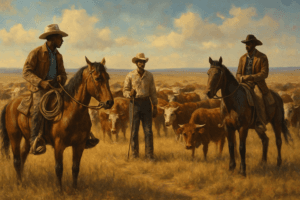
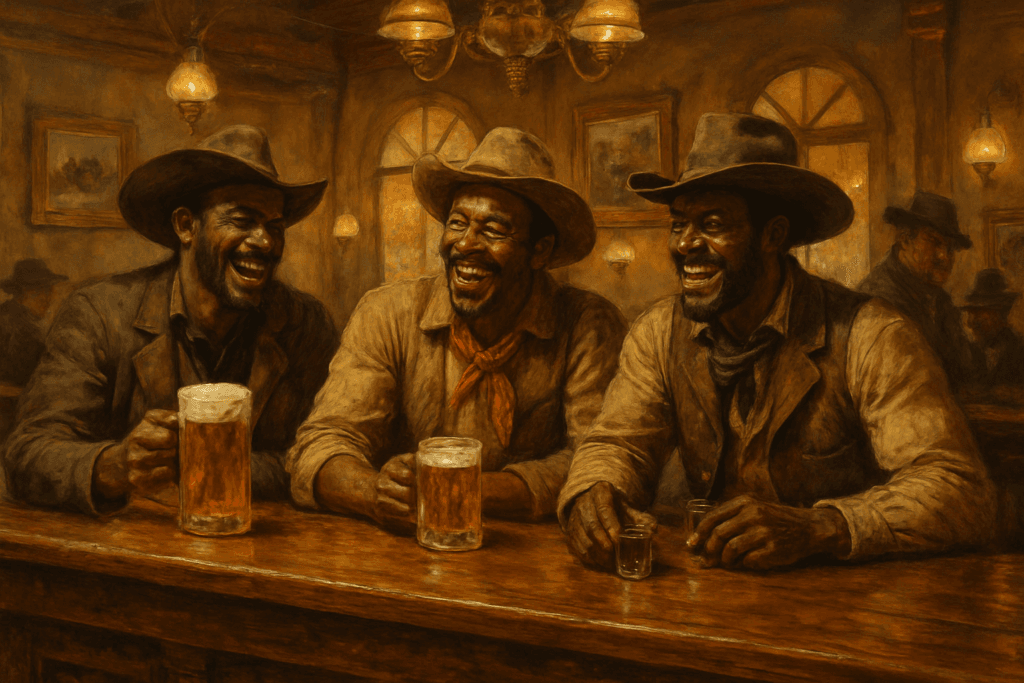
Popular culture, from classic Western films to iconic novels, has painted a narrow portrait of the cowboy—a white, solitary hero taming the wild frontier. Yet history tells a far more complex and fascinating story. In fact, one in every four cowboys during the heyday of the Old West was Black. These men herded cattle, broke wild horses, and navigated the same dangers and adventures as their white counterparts. Some were born into slavery and found freedom and opportunity on the open range, while others were skilled horsemen, scouts, and trail bosses whose expertise was respected throughout the West.
Still, despite their indispensable roles, the stories of Black cowboys have been largely erased or ignored, overshadowed by myth and Hollywood fantasy. Their contributions are missing from most textbooks, and their names rarely appear in the annals of frontier lore. The true history of the American cowboy is richer and more diverse than the legends suggest, shaped by men and women of all backgrounds who carved out lives on the edge of the unknown.
Why, then, have these stories remained hidden for so long? What was daily life really like for Black cowboys, and how did they shape the culture and economy of the West? As we peel back the layers of myth, a new and more inclusive narrative emerges—one that honors the resilience, skill, and enduring legacy of Black cowboys. Join us as we explore the real history and lasting impact of these forgotten trailblazers who helped define the American frontier.When most people picture the American cowboy, a familiar image comes to mind: a lone figure silhouetted against the setting sun, hat tipped low, riding across open plains. This enduring symbol, immortalized in countless films, books, and television shows, has become closely associated with rugged individualism and the spirit of the American West. Yet, this popular portrayal often overlooks a vital truth—the cowboy was not always, or even usually, a white man. In fact, Black cowboys played an essential role in shaping the history and culture of the Western frontier, although their stories have too often been left untold.
The reality of the American West was far more diverse than the media has led us to believe. As the cattle industry boomed after the Civil War, newly emancipated African Americans found opportunities in ranching, herding, and trail driving. Estimates suggest that one in four cowboys was Black, and these men—skilled horsemen, sharp shooters, and seasoned wranglers—contributed greatly to the daily work and legendary exploits that defined the era. They faced not only the harsh conditions of the trail, but also the unique challenges of racism and segregation, carving out their place in a society that frequently sought to exclude them.
In this article, we will explore the rich legacy of Black cowboys in the American West. We will trace their origins and the pathways that brought them to the frontier, examine the roles they played in ranch life and cattle drives, and highlight the stories of notable figures whose names deserve greater recognition. Additionally, we will discuss how their contributions have influenced Western culture and how their legacy continues to inspire new generations.
Recognizing the history of Black cowboys is not just about correcting the record; it is about honoring the resilience, skill, and spirit of those who helped build the West. By understanding their experiences, we gain a fuller, more inclusive picture of American history—one that reminds us that the story of the cowboy, and of the nation itself, is richer and more complex than we have been led to believe.The story of Black cowboys is deeply intertwined with the history of slavery, emancipation, and westward expansion in the United States. After the Civil War, many formerly enslaved people sought new opportunities and freedom, turning to the cattle industry as a place where their labor and expertise were in high demand. Texas, Oklahoma, and other frontier regions became hubs for Black cowboys, drawn by the promise of work and a life less restricted by the entrenched racism of the South. Many enslaved Africans had already developed valuable skills related to animal husbandry, horsemanship, and land management, which proved essential on cattle drives and ranches. Their knowledge and resilience became a foundation for the cowboy lifestyle and helped shape the culture of the American West.
Life on the range was physically demanding and often dangerous, with long days spent herding cattle across vast distances, sleeping under the stars, and braving unpredictable weather. Black cowboys faced the same hardships as their white counterparts, but also endured segregation, discrimination, and social isolation. Despite these obstacles, they forged strong bonds of brotherhood and community, creating networks of mutual support and camaraderie that helped them survive and thrive in challenging environments.
Throughout the late 19th and early 20th centuries, several Black cowboys rose to legendary status. Figures like Nat Love, known as “Deadwood Dick,” Bill Pickett, who invented the rodeo sport of bulldogging, and Bose Ikard, a trusted trail boss and pioneer, became icons of the frontier. Black women, too, played significant roles as cowgirls, ranchers, and community leaders, though their stories have often been overlooked. The contributions of Black cowboys and cowgirls enriched rodeo sports, ranching traditions, and the broader culture of the American West.
Despite their significant presence, the legacy of Black cowboys was largely erased from popular culture. Hollywood films, dime novels, and mainstream media perpetuated a whitewashed version of cowboy history, relegating Black cowboys to the margins or erasing them entirely. In recent decades, however, there has been a growing movement to reclaim these stories through books, documentaries, museums, and festivals. This effort to provide accurate representation is vital—not just to honor the past, but to inspire future generations and ensure that the true diversity of the American West is remembered and celebrated.
Today, the legacy of Black cowboys continues through associations, rodeos, and trail rides that celebrate their heritage. These organizations foster community, provide mentorship, and engage young people in traditions that have endured for generations. Modern Black cowboys play a vital role in preserving Western culture, building connections across communities, and shaping contemporary identities. Their enduring impact is a testament to resilience, pride, and the unbreakable spirit of the American frontier.The story of Black cowboys is an essential yet often overlooked chapter in the history of the American West. For generations, mainstream narratives have largely omitted the contributions of Black men and women who shaped the culture, economy, and legacy of the frontier. By acknowledging the significant roles they played—as skilled horsemen, trailblazers, ranchers, and community leaders—we gain a fuller, more accurate understanding of what it truly meant to build the West. Their ingenuity, resilience, and courage not only helped to drive cattle and establish settlements, but also challenged the boundaries of race and identity in a rapidly changing nation.
Reclaiming and sharing these stories is not merely an exercise in historical accuracy; it is a powerful act of cultural restoration. When we bring the experiences of Black cowboys to light, we help to repair the historical record and honor the diversity that has always existed at the heart of the American experience. This process enriches our collective memory and offers inspiration to future generations, reminding us that history is not static—it is alive, complex, and continually being rewritten by those willing to seek the truth. Through museums, books, documentaries, and community events, we ensure that the legacy of Black cowboys is preserved and celebrated.
Supporting initiatives that highlight Black cowboy heritage—such as local festivals, educational programs, and heritage organizations—plays a crucial role in keeping these stories vibrant and accessible. By attending events, reading about Black cowboys, and sharing these narratives within our communities, we become active participants in honoring their legacy. Moreover, these efforts foster greater inclusivity and understanding, helping to bridge gaps in our national story.
Looking to the future, the enduring spirit of Black cowboys continues to inspire and inform our vision of America. Their stories are a testament to perseverance, adaptability, and the pursuit of justice and opportunity. As we move forward, let us carry their legacy with us, ensuring that the contributions of Black cowboys remain an integral part of the tapestry of the American West—and of the broader story of America itself.
About The Author