Unsung Legends of the Wild West: The Story of Black Cowboys
#image_title
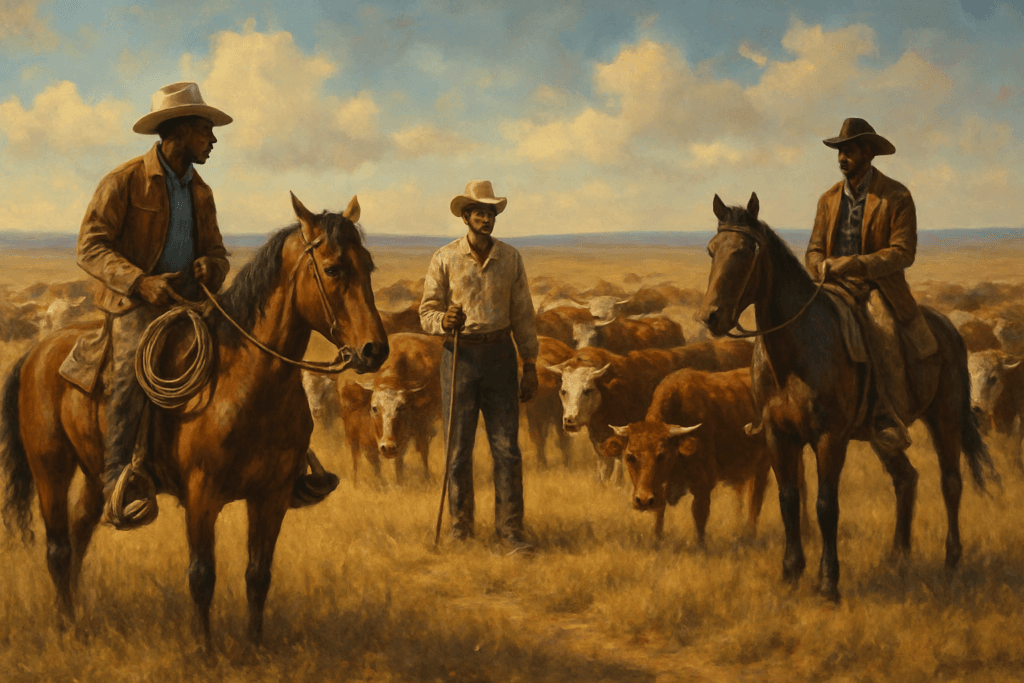
Certainly! Please provide the section or the content you would like me to rewrite into a 300-400 word paragraph.Picture the Wild West as it’s so often immortalized: a lone cowboy rides across a dusty plain, hat tipped low, the sun setting behind him in a blaze of gold. Hollywood and popular media have etched this image into our collective imagination—a white, rugged frontiersman, a symbol of freedom and adventure. But what if this familiar scene is missing a crucial piece of history? The reality, often overlooked or erased, is that Black cowboys were not just present in the American West—they were central to its story.
In the decades following the Civil War, as the nation pushed westward, an estimated one in four cowboys was Black. That’s right: up to 25% of the iconic figures herding cattle, breaking horses, and shaping frontier life were African American men and women. These skilled riders and ranch hands brought with them resilience, expertise, and a rich cultural heritage, contributing immeasurably to the development of the West. Yet, their stories rarely make it into the movies, textbooks, or even the murals that decorate small-town main streets.
Why don’t we see them? Why, in the countless Westerns and novels, are Black cowboys invisible, sidelined, or replaced entirely by white counterparts? The answer lies in the way history is told and retold, often shaped by the biases and blind spots of those in power. Over time, the contributions of Black cowboys were minimized or forgotten, replaced by a myth that served a narrower narrative about who belonged on the frontier.
This erasure isn’t just a loss for Black history—it’s a loss for all of us. The true story of the West is more diverse, more complex, and far richer than the movies would have us believe. By shining a light on the real lives of Black cowboys, we reclaim a vital chapter of the American story and challenge ourselves to look beyond the myths. So next time you picture the Wild West, ask yourself: who’s missing from the frame, and why?Certainly! Please specify the topic or section you want me to write about, or provide the original content you wish to have rewritten or expanded into a 300-400 word paragraph.When most people picture the American cowboy, iconic images of rugged, stoic men riding across endless prairies often come to mind—figures clad in weathered hats and boots, tending cattle under vast Western skies. This classic narrative, immortalized in movies, books, and folklore, traditionally centers on white cowboys braving the untamed frontier. However, this familiar story represents only part of the truth. Overlooked in mainstream accounts are the Black cowboys whose presence and influence were vital to the development of the American West.
Following the end of the Civil War and the Emancipation Proclamation, many newly freed African Americans sought opportunities and new beginnings beyond the boundaries of the South. The open ranges and booming cattle industry of the West beckoned, promising work and, for some, a measure of freedom and respect unavailable elsewhere. As a result, thousands of Black men—and some women—became skilled cowhands, ranchers, trailblazers, and rodeo stars. Historians estimate that one in four cowboys in the late 1800s was Black, though their stories were often omitted from popular culture and history books.
The significance of Black cowboys extends beyond their numbers. They played crucial roles in cattle drives, ranching operations, and the shaping of Western culture. Yet, despite their expertise and contributions, Black cowboys faced persistent discrimination, segregation, and barriers to recognition. Their resilience and achievements, however, left a lasting legacy that continues to inspire and challenge the myths of the Old West.
This article will explore the rich and complex history of Black cowboys, delving into the historical context that brought them to the West, the unique challenges they encountered, and the remarkable contributions they made to cowboy culture and the broader American story. By shedding light on their experiences and honoring their legacy, we can gain a deeper, more inclusive understanding of the true American frontier.Certainly! Please provide the section or topic you’d like me to write a 300-400 word paragraph about.The story of Black cowboys in the American West begins long before they became icons of frontier legend. Their roots can be traced back to the American South, where enslaved Africans were integral to the development of early cattle ranching. Often tasked with the demanding labor of tending livestock, many enslaved people became highly skilled in herding, breeding, and managing cattle—skills that would later prove invaluable on the open ranges of the West. These men and women acquired knowledge not only through necessity but also by adapting African livestock traditions to the unique challenges of the Southern landscape. As a result, they developed an expertise in horsemanship, animal husbandry, and frontier survival that set them apart in a rapidly changing society.
The end of the Civil War marked a turning point for Black Americans, with newfound freedom coinciding with the booming cattle industry on the Western frontier. Many formerly enslaved men saw opportunity in the vast, unsettled territories beyond the Mississippi River. Drawn by the promise of fairer wages and relative autonomy, thousands migrated westward, seeking work as ranch hands, trail drivers, and horse trainers. The demand for skilled labor was high, especially as ranchers needed reliable hands to drive massive herds north from Texas to railheads in Kansas and beyond. Black cowboys, often overlooked in popular history, became indispensable to these operations, their contributions woven into the fabric of Western expansion.
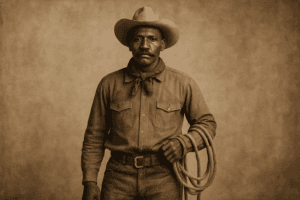
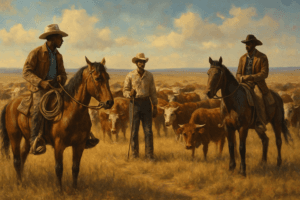
What set Black cowboys apart was not only their technical proficiency but also their resilience and adaptability. They brought with them a legacy of hard-won experience—roping, branding, and breaking horses—that earned them respect among their peers, even in the face of persistent racism and segregation. Their expertise on the trails and ranches was recognized by employers who valued skill above social status when the survival of cattle and crew was at stake. Despite the obstacles, Black cowboys carved out spaces of community and influence, shaping the culture of the American West in ways that would echo through generations. Their early contributions laid the groundwork for a more inclusive narrative of the cowboy era, highlighting the essential role that African Americans played in building and sustaining the ranching industry.Daily life for Black cowboys was defined by hard work, adaptability, and a quiet determination to prove themselves on the open range. Their days began before sunrise, often starting with the essential tasks of rounding up cattle, checking for strays, and preparing for long hours in the saddle. Herding was more than a chore; it demanded patience, a keen eye, and a deep understanding of animal behavior. Branding brought its own challenges, requiring teamwork and skill as cowboys worked together to mark calves and protect the herd from rustlers. During trail drives, Black cowboys rode for weeks—sometimes months—across harsh and unpredictable terrains, guiding cattle from Texas to railheads in Kansas or beyond. These drives tested every cowboy’s endurance and resourcefulness, with dangers ranging from stampedes and river crossings to rattlesnakes and unpredictable weather.
Despite their indispensable contributions, Black cowboys faced systemic racism and segregation on and off the range. Many ranch owners and trail bosses recognized their skill, reliability, and leadership, but this respect rarely translated into equal treatment. Black cowboys were often given the most difficult jobs and had to eat, sleep, and camp separately from their white counterparts. Even so, their expertise was undeniable—some became legendary horse trainers, cooks, or trail bosses, commanding respect through their abilities rather than their social standing. In towns, discrimination was even more pronounced, with Black cowboys frequently barred from hotels, restaurants, or saloons, forcing them to rely on each other for support and camaraderie.
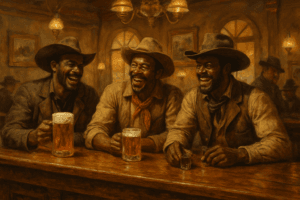
Yet, out on the range, necessity often broke down social barriers, if only temporarily. Cowboys of all backgrounds worked side by side, forging bonds through shared hardship, laughter, and mutual reliance. Stories abound of crews coming together to save a fellow cowboy during a river crossing or standing up for one another against injustice. Black cowboys like Bose Ikard, Nat Love, and Bill Pickett became legends among their peers for their courage, skill, and resilience. Through grit, perseverance, and an unwavering sense of dignity, Black cowboys not only endured the hardships of the frontier but also carved a lasting legacy of resilience, camaraderie, and quiet heroism in the history of the American West.Among the most enduring legends of the American West are the Black cowboys whose stories, though often overlooked, are woven deeply into the fabric of frontier history. Figures like Bass Reeves, Nat Love, and Bill Pickett exemplify the resilience, skill, and innovation that defined the cowboy era and left an indelible mark on the legacy of the West.
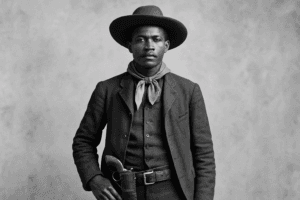
Bass Reeves stands out as one of the first Black deputy U.S. marshals west of the Mississippi River. Born into slavery in 1838, Reeves escaped to freedom during the Civil War and later became renowned for his relentless pursuit of justice in Indian Territory, now Oklahoma. Over his career, he apprehended more than 3,000 outlaws, earning a reputation for his sharp marksmanship, disguise, and unwavering integrity. Tales of Reeves’ exploits include his capture of notorious criminals, often achieved with remarkable cunning and bravery—stories that many historians believe inspired the fictional character of the Lone Ranger.
Nat Love, affectionately known as “Deadwood Dick,” was born into slavery in Tennessee in 1854. After emancipation, he ventured west and became a celebrated cowboy and rodeo performer. Love’s memoirs detail thrilling adventures that spanned cattle drives, shootouts, and rodeo competitions. He became famous for his roping and riding prowess, once winning a rodeo contest in Deadwood, South Dakota, that earned him his legendary nickname. His vivid accounts offer a firsthand glimpse into the everyday life and extraordinary feats of Black cowboys on the open range.
Bill Pickett, another pioneering figure, revolutionized the sport of rodeo with the invention of “bulldogging”—a technique of wrestling steers to the ground by biting their lips, inspired by his observations of dogs subduing cattle. Born in 1870 in Texas, Pickett’s daring performances captivated audiences across the United States and abroad. He became the first African American inducted into the National Cowboy Hall of Fame, and his legacy lives on in modern rodeo events and in the cultural memory of the West.
These trailblazers and their peers not only broke racial barriers but also shaped the enduring mythos of the cowboy. Their stories, filled with courage, ingenuity, and determination, illuminate a vital yet often unheralded chapter of American history, reminding us that the true spirit of the West was as diverse as the land itself.The legacy of Black cowboys has left an indelible mark on American culture, particularly within the realms of cowboy traditions, rodeos, and Western folklore. From the late 1800s onward, Black cowboys played crucial roles in cattle drives, ranch management, and the development of the skills and customs that would later define cowboy culture. Their expertise in horsemanship, roping, and cattle herding not only influenced the practical aspects of the profession but also contributed to the vibrant traditions seen in rodeos and Western celebrations today. Despite their deep involvement, the broader cultural narrative gradually began to overlook their contributions, especially as the mythos of the American West took shape in popular media.
Throughout the 20th century, Hollywood films, dime novels, and television shows largely erased the presence of Black cowboys, favoring a homogenous depiction of the Western hero as white. This selective storytelling led to the widespread misconception that the American cowboy was exclusively white, effectively sidelining the true diversity that existed on the frontier. The absence of Black cowboys from mainstream media not only distorted historical reality but also deprived generations of African Americans of an empowering connection to this iconic chapter of American history. This erasure reinforced racial stereotypes and denied Black communities their rightful place within the tapestry of the American West.
In recent decades, there has been a conscious movement to reclaim and celebrate the stories of Black cowboys. Museums and cultural centers across the United States now feature exhibits dedicated to their legacy, highlighting the achievements of figures like Bill Pickett and Nat Love. Literature and academic scholarship have expanded to include more thorough examinations of Black contributions to cowboy culture, while children’s books and documentaries work to educate younger audiences. Additionally, festivals and rodeos specifically honoring Black cowboys have gained popularity, serving both as celebrations of heritage and as platforms to foster greater awareness. Through these modern efforts, the true diversity and richness of the cowboy tradition are being restored, ensuring that the stories of Black cowboys are recognized, honored, and integrated into the broader narrative of American history.Today, the legacy of Black cowboys endures vibrantly, woven into the fabric of American culture through both tradition and innovation. Across the United States, contemporary Black cowboy communities thrive, from the prairies of Texas to city streets in places like Philadelphia and Los Angeles. Organizations such as the Federation of Black Cowboys and the Compton Cowboys not only preserve the heritage of their forebears but also carve out spaces where young people can connect with this rich history. Youth programs, riding clubs, and mentorship initiatives serve as vital pathways for passing down horsemanship skills, fostering responsibility, and instilling pride in a lineage too often overlooked.
Rodeos and festivals celebrating Black cowboy culture have grown in both size and influence, drawing participants and spectators from across the country. Events like the Bill Pickett Invitational Rodeo—named after the legendary Black rodeo star—showcase the extraordinary talents of Black riders, ropers, and barrel racers. These gatherings are more than exhibitions of skill; they are acts of cultural preservation and communal affirmation, ensuring that the stories and achievements of Black cowboys remain alive in public memory. Through music, storytelling, and shared experience, each event both honors the past and inspires new generations to embrace the cowboy tradition.
Despite these vibrant expressions, the fight for accurate representation and recognition continues. For much of American history, Black cowboys were systematically erased from mainstream narratives, their contributions minimized or ignored. Today, advocates and historians work diligently to set the record straight, challenging stereotypes and expanding the public’s understanding of the West. Through books, documentaries, and social media campaigns, the true stories of Black cowboys are coming to light, reshaping perceptions and inviting broader participation. The enduring legacy of Black cowboys, then, is not simply one of survival, but of resilience, pride, and continuous expansion—proving that their place in the story of the American West is not just a chapter, but a foundational element that continues to shape the nation’s identity.Certainly! Please provide the specific section or topic you would like me to write a full 300–400 word paragraph about.The story of Black cowboys is one that has too often been left out of mainstream narratives about the American West. Yet, as history reveals, their presence was integral—shaping the very fabric of cowboy culture and the development of the frontier. From the post-Civil War era through the late 19th century, thousands of Black men, both formerly enslaved and free, found work as cowboys, ranch hands, and trail drivers. They proved themselves as skilled horsemen, sharp-shooters, and indispensable members of cattle drives, challenging the stereotypes and limitations imposed upon them by a segregated society. Their impact is evident not only in the work they did, but also in the traditions, music, and stories they contributed to Western heritage.
Despite their contributions, the legacy of Black cowboys has been overshadowed by popular media and history books that favored a whitewashed version of the Wild West. This erasure has had lasting effects, reinforcing narrow ideas about who built the American frontier and who belongs in its stories. By reclaiming the narrative and shining a light on figures such as Nat Love, Bill Pickett, and Mary Fields, we begin to see a more complete and truthful picture of the past—one that recognizes the diversity and resilience at the heart of the American experience.
Understanding and honoring the history of Black cowboys is essential for building a more inclusive account of our nation’s past. It calls on us not only to learn these stories ourselves, but to share them widely—through education, conversation, and community celebration. Museums, books, and cultural events dedicated to Black cowboy history offer opportunities for all Americans to acknowledge and appreciate these contributions, ensuring they are no longer hidden from view.
Ultimately, reclaiming the narrative around Black cowboys is more than an act of historical correction; it is a step toward reshaping our collective understanding of the Wild West. Their stories remind us that the American frontier was a place of diversity, complexity, and collaboration. By honoring their legacy, we gain a richer, more nuanced vision of what it means to be part of the American story—one that recognizes the courage and achievements of all who helped build it.
About The Author